Philosophy of Learning Design and Technology
Application is no longer available.
Introduction
My philosophy of learning design and technology is grounded in the belief that meaningful learning experiences are intentionally designed, accessible, and centered on clarity rather than complexity. As a classroom teacher transitioning into instructional design, I have learned that effective instruction depends on thoughtful alignment among objectives, assessment, and technology. This perspective now guides how I design and evaluate learning experiences.
Foundations of My Learning Design Philosophy
Several instructional design frameworks have shaped my approach to learning design, most notably Universal Design for Learning (UDL), Backward Design, and the ADDIE model. UDL has been especially influential in how I think about learner variability and accessibility. Rather than designing course materials for an “average” learner, I now plan for differences in background knowledge, learning preferences, and access needs from the beginning of the design process (CAST, 2018). For example, while designing infographics across multiple courses, I learned to prioritize visual hierarchy, concise language, and consistent icons to make information more accessible. This process, shown in Figure 1, reinforced the importance of presenting content in ways that support learners who benefit from visual structure.
Figure 1
Infographic Designed to Support Visual Clarity and Comprehension
Note. Screenshot of an infographic created by the author demonstrating the use of visual hierarchy, concise language, and icons to reduce cognitive load.
Backward Design has also become central to my instructional planning by reinforcing the importance of beginning with clear learning objectives and evidence of understanding before selecting activities or tools (Wiggins & McTighe, 2005). In my Building Reading Fluency course, learning goals were established first, followed by aligned assessments and scaffolded learning activities. Finally, ADDIE informs my approach as a guiding framework that encourages ongoing reflection and refinement rather than a one-time design process (Lasky, 2024). I apply this mindset by looking closely at feedback and using quality assurance reviews as an opportunity to revise and strengthen my designs.

Growth as a Learning Designer
Throughout this program, I have grown significantly in how I approach instructional challenges. While engagement and creativity remain important, I now prioritize clear alignment and purposeful planning when designing learning experiences. Figure 2 shows how developing storyboards for multimedia lessons helped me shift from focusing on individual activities to planning complete learning experiences. By mapping objectives, content, and interactions in advance, I became more intentional about sequencing, pacing, and alignment, which strengthened the overall coherence of my designs.
Figure 2
Storyboard Illustrating Instructional Planning and Sequencing
Note. Screenshot of a storyboard created by the author to map learning objectives, content sequence, and learner interactions prior to development.
Rather than focusing solely on whether activities are engaging, I now consider how well assessments measure the intended learning outcomes. Through reflection and quality assurance review, I learned to design assessments that directly reflect stated objectives and the skills students practiced throughout the module. This growth strengthened my understanding that effective assessment is rooted in alignment and clarity rather than task completion alone.

Technology as a Tool for Learning
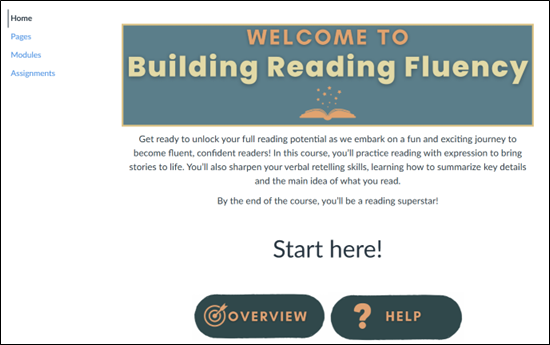
My philosophy of learning design is most clearly reflected in how I apply these principles within a Learning Management System (LMS). I view the LMS as part of the learning experience, not just a container for materials. In my Canvas course, I designed a simple, predictable structure to support student independence and reduce unnecessary cognitive load. Clear headings and visual buttons guide learners to module overviews, assignments, and support pages, helping them navigate without becoming overwhelmed. By embedding tools and maintaining consistent design patterns, I aimed to create an environment where students could focus on learning instead of than figuring out where to click next. This approach is illustrated in Figure 3 and reflects the importance of clarity and learner experience emphasized by design practitioners such as Bean (2014).
Figure 3
Canvas Module Structure and Visual Navigation Supports
Note. Screenshot from the author’s Canvas course shows a predictable module structure and the use of image-based navigation buttons designed to support clarity, usability, and student independence.
Technology choices were made strategically to support access and usability. Rather than linking out to multiple platforms, I embedded PDFs, videos, and Genially activities directly within Canvas as shown in Figure 4. This approach minimized navigation barriers and allowed me to take advantage of Canvas’s built-in accessibility features, such as screen reader compatibility and display options. These decisions reflect my belief that technology should simplify learning, not complicate it.
Figure 4
Embedded Instructional Materials Within Canvas
Note. Screenshot from the author’s Canvas course showing an animated video resource embedded directly within the LMS to reduce navigation barriers and leverage built-in accessibility features.

Accessibility and Ethical Design
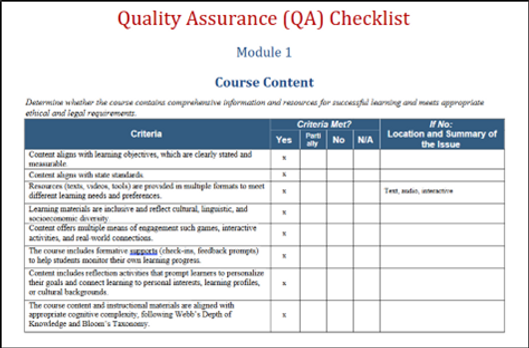
Ethical responsibility plays a significant role in my learning design philosophy, particularly in relation to accessibility and equity. Designing accessible learning experiences is not optional; it is an ethical obligation. Completing quality assurance checklists across multiple projects helped me recognize accessibility as an ethical responsibility rather than a final step. This process guided decisions such as avoiding drag-and-drop interactions, embedding content directly within the LMS, and ensuring consistent formatting and navigation to support all learners. This reflective design process is supported by the quality assurance review shown in Figure 5. These choices align with accessibility principles such as POUR and support inclusive learning environments (National Center on Accessible Educational Materials, n.d.).
Figure 5
Quality Assurance Checklist Used to Guide Design Revisions
Note. Screenshot from the author’s quality assurance checklist highlighting criteria used to evaluate accessibility, alignment, and usability.
Designing Effective Learning Environments
As I worked through different projects in the program, I started to notice clear patterns in what made learning environments work well. Designs were most effective when they prioritized usability, clear expectations, and thoughtful structure instead of visual complexity for its own sake, which aligns with Bean’s (2014) emphasis on purposeful, learner-focused design. Over time, this helped me see learning design as a connected system where goals, structure, accessibility, and feedback need to work together to support learners, especially within an LMS.
Looking Ahead as a Designer
Looking ahead, my philosophy of learning design and technology will continue to guide my professional growth. I plan to remain reflective and adaptable as technology and educational needs evolve. I am committed to designing learning experiences that prioritize accessibility, alignment, and learner engagement, regardless of the tools being used. As I continue developing my skills, I aim to advocate for thoughtful technology integration and inclusive design practices within my professional community.
Conclusion
My philosophy of learning design and technology is rooted in intentional planning, accessibility, and reflective practice. Through this program, I have learned to align learning goals, instructional strategies, assessment, and technology in meaningful ways. These experiences have shaped how I design learning environments and will continue to guide my work as I grow in the field of instructional design.
References
CAST. (2018). The UDL guidelines. CAST. https://udlguidelines.cast.org/
Bean, C. (2014). The accidental instructional designer: Learning design for the digital age. ATD Press.
Lasky, J. (2024). ADDIE model. Salem Press Encyclopedia.
National Center on Accessible Educational Materials. (n.d.). Designing for accessibility with POUR. https://aem.cast.org/create/designing-accessibility-pour
Wiggins, G., & McTighe, J. (2005). Understanding by design (Expanded 2nd ed.). Association for Supervision and Curriculum Development.